
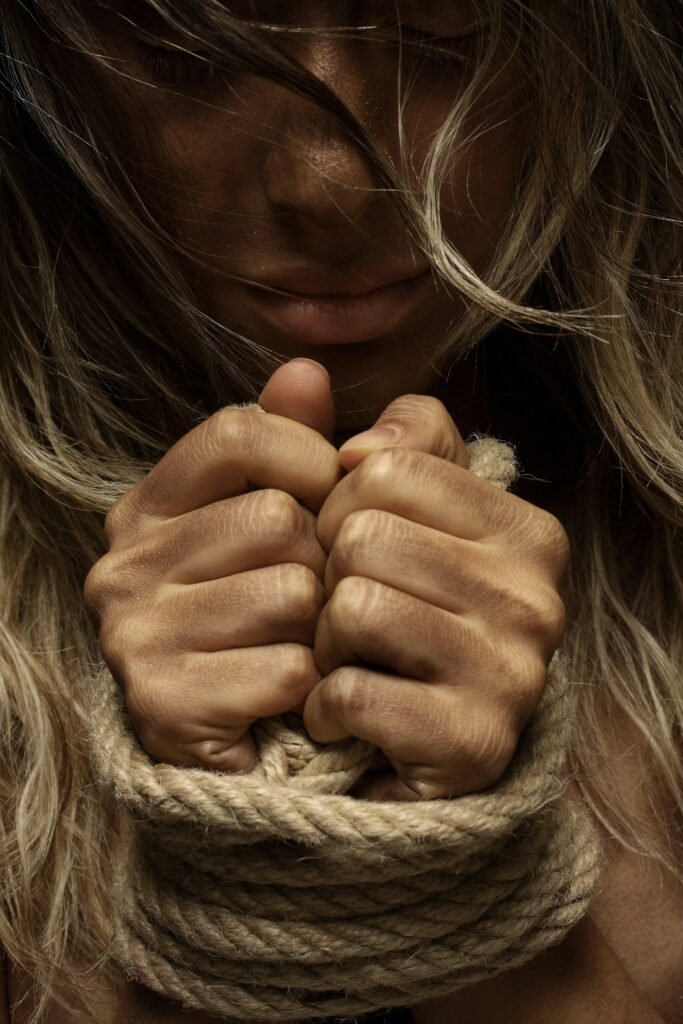
“What if she was hurt?”
By Nusrat Lasisi

It is gradually becoming the norm for every cry for help, every clamour for justice against sexual violence, to be silenced with nauseating objectivity that quickly produces examples of false rape allegations. Each time a victim speaks, the first public reflex is not to ask, “Is she hurt?” but rather, “Is she lying?” In the heat of trauma and urgency, survivors are forced into trials and interrogations where proving innocence of deceit becomes more urgent than seeking justice for violence. False allegations are not simply discussed; they are weaponized as tools to discredit, shame, and ultimately silence survivors. It is society getting upset that a man can be victim; a position meant for women alone
The recent outcry following the realization that Brazilian footballer Dani Alves had been falsely accused of sexual harassment after 14 months in prison exposes a painful reality about life in a male-centered world. The case sparked a wave of conversations, but instead of focusing on systemic failings that hurt everyone,women especially,the discourse became another excuse to demonize women broadly. From clamours to criminalize false allegations, to the eagerness to draw blood from the woman who accused him, voices rose even from men who had never lent their strength to the fight against sexual violence. The message was clear: society’s obsession is not with protecting the victims, but with shielding men, while women are left to bear all responsibility.
Even Alves’ ex-wife was scapegoated. Many questioned her loyalty for divorcing him during the ordeal. She noted that her ex-husband should not have put himself in a position to be accused of rape as a married man. Yet audiences were quick to smear women collectively, mocking with clichés like “hoes ain’t loyal.” If the roles had been reversed, how many husbands would truly stay? Why was Dani Alves, a married man, in a bathroom with another woman? Who really “ain’t loyal”? In fact, research shows that women with terminal illnesses are often prepped for the likelihood of abandonment because men statistically divorce their wives at higher rates once illness or inconvenience strikes. The double standard is glaring.
In the same year Dani Alves was accused; 2024, the Ministry of Justice and Public Security in Brazil recorded at least 78,395 rape cases, with 67,820 of them having women as the victims. This averages nine rapes per hour. Yet the media remains quiet; no outcry for the victims, just silence, as though sexual abuse were normal. As of 2023, Brazil witnessed an 8.2% increase in rape cases, with reports suggesting the actual number was even higher. Where is the outcry? Where is the public sympathy? Or does one false accusation outweigh over 70,000 rape cases? At least 50,000 rapist walk freely in Brazil, yet the a debate is on what appropriate judgement should be given to one false rape accuser.
Similarly, in Nigeria, when the rape allegation against X influencer Ourfavonliedoc Olufunmilayo by Dr. Bola Aseyan broke out, many men and many X influencers clapped harder against Dr. Bola. Their quick reference to Izu, a U.S.-based Nigerian who committed suicide after being accused of sexual harassment,which he admitted and apologized for,garnered sympathy, with many X users twisting the sexual harassment case into a false rape allegation. Some clamoured for strict penalties for false accusers so they would not “walk freely.” Yet it is worth noting that only about 1% of rape cases in Nigeria ever get prosecuted, with 50–90% never reported, and many rapists walking free. The sexual allegation against Senate President Akpabio by Senator Natasha is yet to be prosecuted despite her position. She was not only intimidated but suspended for six months, while the accused remained in office. Her struggle as a victim was reduced to nothingness, and her autonomy as a woman disregarded, when—before her office could be unsealed after the undeserved six-month sealing—the attention of her husband, an unelected member, was required before it would be reopened. Yet the obsession with false rape accusers “walking freely” takes priority!
However, false rape allegations do not equal rape in any way. The facts remain stubborn: false rape allegations are exceedingly rare. Studies show they are no more common than false reports of any other crime. Yet public imagination inflates them into a crisis, pushing the narrative that women are out to destroy innocent men and ruin careers. This disproportionate fear has devastating consequences. It does not only downplay the severity of sexual violence; it discourages survivors from speaking, deters communities from believing, and emboldens perpetrators who know the culture of doubt works in their favour.
The real danger is not in the occasional lie but in the entrenched disbelief. When “What if she lied?” becomes louder than “What if she was hurt?” we tip justice away from those who need it most. Survivors deserve a society that prioritizes their safety, not one that silences them with suspicion. Until that shift happens, cries for help will keep echoing unanswered, drowned out by the louder chorus of doubt.
Nusrat Lasisi is a women rights activist, creative writer and student. She can be reached via email @nusratlasisi2000@gmail.com, Facebook, Instagram, X(Twitter) @ nusratdreteller.